Burnout is becoming increasingly common in today’s fast-paced world. Whether caused by demanding work schedules, caregiving responsibilities, academic pressure, or ongoing life stress, burnout can negatively impact both mental and physical health. Understanding the warning signs early and taking proactive steps can help prevent long-term consequences.
Introduction
Burnout can develop when prolonged stress leaves you feeling emotionally exhausted, physically drained, and less able to cope with everyday responsibilities. It can affect work, school, caregiving, relationships, sleep, and overall wellbeing.
Learning to recognize burnout symptoms early can help you identify what may be contributing to your stress and consider practical steps for recovery. This guide explains the common signs, causes, self-care strategies, lifestyle changes, and professional support options that can help you better understand burnout and protect your mental health.
KEY TAKEAWAYS
🔵 Burnout is linked to prolonged or chronic stress and can leave you feeling emotionally exhausted, physically drained, and less able to cope with everyday demands.
🟢 Common warning signs include persistent fatigue, irritability, reduced motivation, difficulty concentrating, sleep problems, and declining productivity.
🟠 Burnout can affect more than work. It may influence relationships, academic responsibilities, caregiving, physical wellbeing, and everyday functioning.
🟣 Recovery can involve improving sleep, taking meaningful breaks, setting healthy boundaries, reducing avoidable stressors, and maintaining supportive relationships.
🔴 Professional support may be helpful when symptoms persist, worsen, or interfere with daily life.
🟡 Recognizing warning signs early can help you identify ongoing stress and take appropriate steps to protect your mental wellbeing.
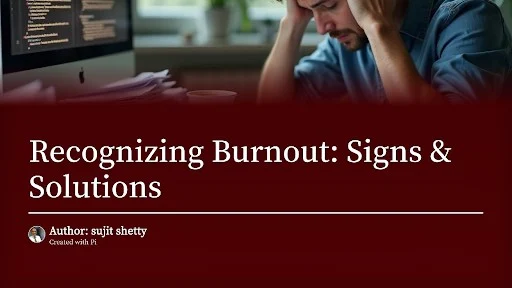
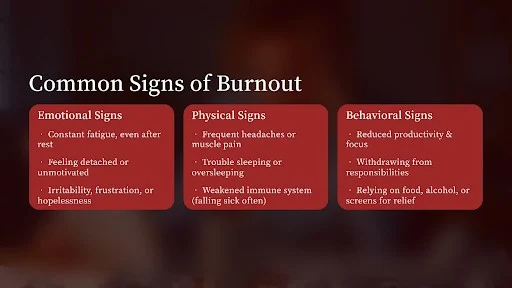
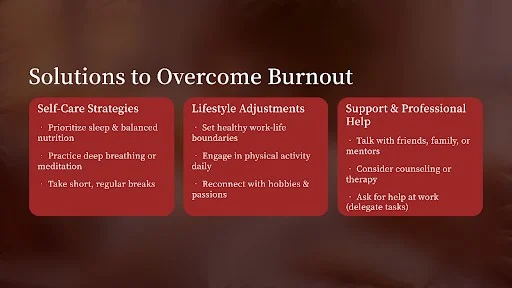
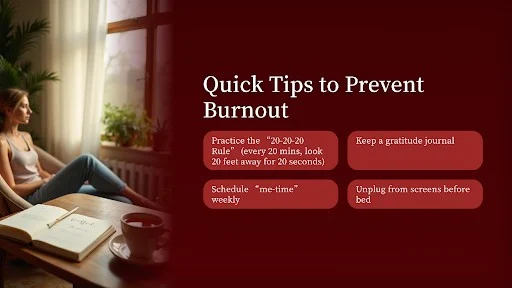
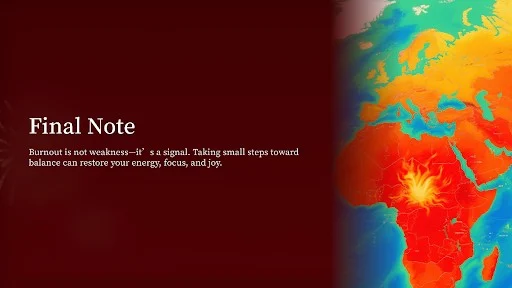

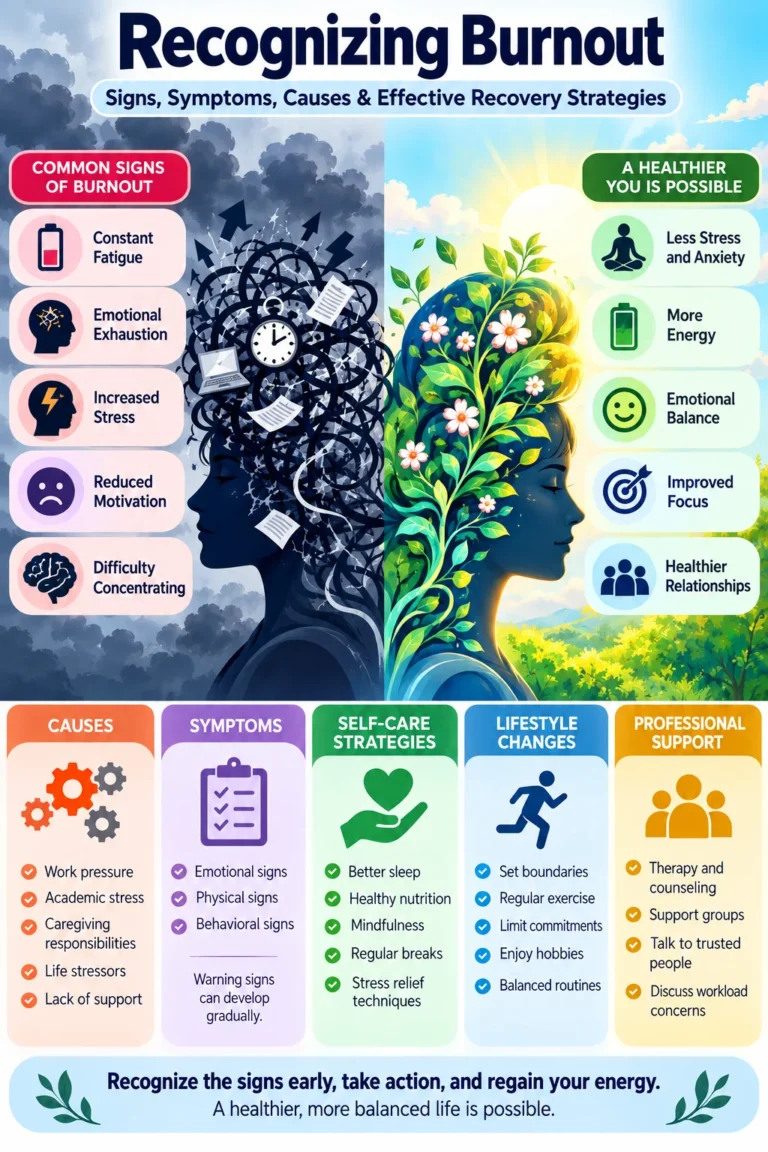
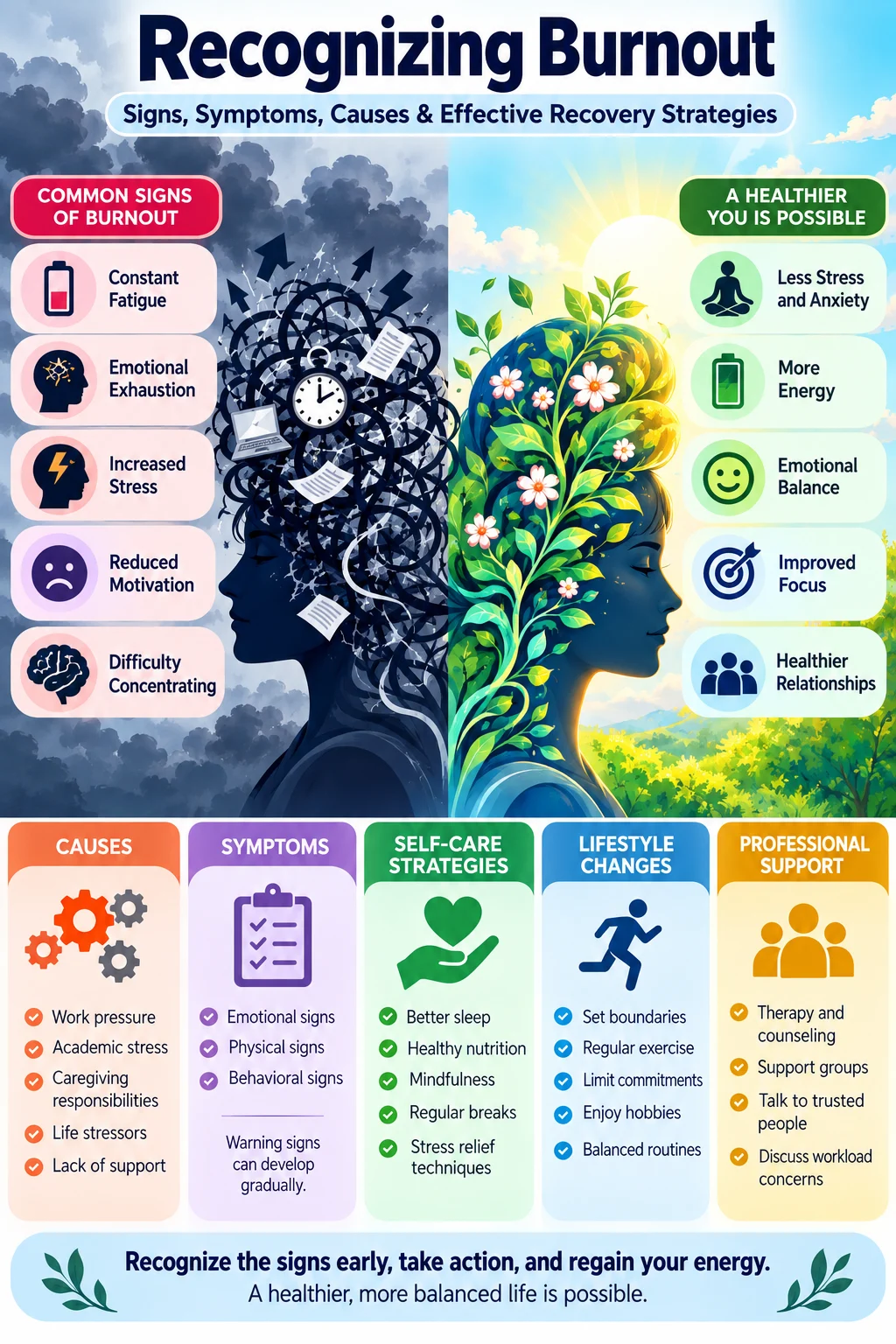
Burnout infographic explaining symptoms, warning signs, causes, recovery strategies, self-care practices, lifestyle changes, professional support, and mental health wellbeing.
1. What is Burnout?
Burnout refers to a prolonged state of stress-related exhaustion that can make everyday responsibilities feel increasingly difficult to manage. It is commonly associated with emotional exhaustion, reduced energy, detachment, and decreased effectiveness, particularly when ongoing demands exceed a person’s ability to recover.
Important distinction: The World Health Organization (WHO) defines burn-out in the ICD-11 specifically as an occupational phenomenon resulting from chronic workplace stress that has not been successfully managed. WHO does not classify burn-out as a medical condition. People can also experience significant stress and exhaustion in caregiving, academic, family, and other life situations, but WHO’s ICD-11 definition of burn-out applies specifically to the occupational context.
It can affect work performance, emotional wellbeing, relationships, and overall quality of life. People experiencing prolonged stress may feel drained, detached from their responsibilities, or unable to function at their usual level. Persistent exhaustion and related symptoms can also have other medical or mental health causes, so ongoing or concerning symptoms should be discussed with an appropriate healthcare professional.
2. Causes of Burnout
Burnout usually develops through a combination of persistent demands, limited recovery, and conditions that make stress difficult to manage. Workload, lack of control, unrealistic expectations, caregiving demands, academic pressure, financial concerns, and insufficient support can all contribute to prolonged stress.
Burnout can develop from prolonged exposure to stress in different areas of life. Common causes include excessive workloads, lack of work-life balance, unrealistic expectations, financial pressure, caregiving responsibilities, academic stress, and insufficient social support. Workplace burnout is especially common among professionals who experience long hours, limited control over their responsibilities, and chronic occupational stress. Understanding the causes of burnout can help individuals identify risk factors early and take proactive steps toward burnout prevention and recovery.
3. Common Signs and Symptoms of Burnout
Burnout can affect how a person feels, functions, and responds to everyday demands. Warning signs may include emotional exhaustion, persistent tiredness, irritability, reduced motivation, difficulty concentrating, changes in sleep, withdrawal from others, and declining performance or productivity.
Recognizing burnout symptoms early can help individuals take action before stress becomes overwhelming.
Emotional Signs of Burnout
Constant Fatigue and Emotional Exhaustion
One of the most common emotional symptoms of burnout is persistent fatigue that does not improve with normal rest. Individuals may feel emotionally drained, overwhelmed, and unable to cope with daily responsibilities. Emotional exhaustion can reduce motivation, increase irritability, and make even simple tasks feel difficult to complete.
╔══════════════════════════════════════════════╗
║ 💙 Emotional Signs of Burnout 💙 ║
╚══════════════════════════════════════════════╝
Emotional symptoms are often among the first warning signs.
🔹 Persistent fatigue even after adequate rest
🔹 Feeling emotionally drained or overwhelmed
🔹 Loss of motivation and enthusiasm
🔹 Increased irritability and frustration
🔹 Feelings of hopelessness or helplessness
🔹 Difficulty finding satisfaction in daily activities
💡 Many individuals report feeling disconnected from their work, relationships, or personal goals.
Physical Signs of Burnout
Physical Symptoms You Should Not Ignore
Physical symptoms associated with prolonged stress and burnout can include headaches, muscle tension, digestive discomfort, sleep disturbances, and feeling physically run down. These symptoms can have many possible causes, so persistent physical symptoms should be discussed with a healthcare professional.
╔══════════════════════════════════════════════╗
║ 💪 Physical Signs of Burnout 💪 ║
╚══════════════════════════════════════════════╝
Common physical symptoms include:
🔸 Frequent headaches
🔸 Muscle tension and body aches
🔸 Digestive issues
🔸 Changes in appetite
🔸 Difficulty sleeping or oversleeping
🔸 Reduced energy levels
🔸 Feeling physically run down or experiencing more frequent health complaints
⚠️ Physical symptoms should not be ignored, especially when they persist for several weeks.
Behavioral Signs of Burnout
Changes in Behavior and Productivity
Behavioral changes are often noticeable during burnout. Individuals may procrastinate more frequently, struggle to concentrate, withdraw socially, or experience declining productivity. These changes can negatively affect work performance, academic success, and personal relationships.
╔══════════════════════════════════════════════╗
║ ⚠️ Behavioral Signs of Burnout ⚠️ ║
╚══════════════════════════════════════════════╝
Behavioral warning signs include:
📌 Reduced productivity and concentration
📌 Increased procrastination
📌 Avoiding responsibilities
📌 Social withdrawal
📌 Missing deadlines or appointments
📌 Excessive screen time
📌 Relying on unhealthy coping mechanisms such as overeating or excessive alcohol consumption
💡 These changes can gradually affect personal relationships, work performance, and overall wellbeing.
4. Self-Care Strategies for Burnout Recovery
Burnout recovery involves creating opportunities for rest and reducing the demands that contribute to prolonged stress. Practical steps can include establishing healthier sleep habits, taking meaningful breaks, maintaining regular meals, using relaxation techniques, reconnecting with supportive people, and allowing sufficient time for recovery.
Sleep, Nutrition and Recovery
Quality sleep and proper nutrition play an important role in burnout recovery. Establishing consistent sleep routines, limiting caffeine late in the day, staying hydrated, and consuming balanced meals can support both physical and emotional wellbeing during the recovery process.
╔══════════════════════════════════════════════╗
║ 🌿 Helpful Self-Care Practices for Burnout Recovery 🌿 ║
╚══════════════════════════════════════════════╝
Helpful self-care practices include:
😴 Prioritizing quality sleep
🥗 Eating a balanced and nutritious diet
🧘 Practicing mindfulness meditation
🌬️ Using deep breathing exercises
⏸️ Taking short breaks throughout the day
🌳 Spending time in nature
💡 Even small daily habits can contribute significantly to recovery.
5. Lifestyle Changes to Reduce Burnout
Lifestyle changes can help reduce ongoing stress and support recovery from burnout. Setting healthy boundaries, limiting unnecessary commitments, protecting personal time, staying physically active, maintaining enjoyable activities, and creating realistic daily goals can make everyday demands more manageable.
Building Healthy Boundaries
Setting healthy boundaries can help reduce chronic stress and prevent future burnout. This may include limiting overtime work, learning to say no to excessive commitments, scheduling regular breaks, and protecting personal time for rest and recreation.
╔══════════════════════════════════════════════╗
║ 🌿 Lifestyle Changes to Reduce Burnout 🌿 ║
╚══════════════════════════════════════════════╝
Consider the following strategies:
✅ Establish healthy work-life boundaries
✅ Learn to say no when necessary
✅ Schedule regular physical activity
✅ Limit unnecessary commitments
✅ Reconnect with hobbies and interests
✅ Create realistic daily goals
💡 These changes can help restore balance and prevent future episodes of burnout.
Preventing burnout involves recognizing early warning signs, taking regular breaks, prioritizing self-care, maintaining a healthy work-life balance, and seeking support before chronic stress becomes overwhelming. Consistent preventive habits can reduce the likelihood of future burnout and promote long-term mental wellbeing.
6. Professional Support for Burnout
Professional support can help when burnout symptoms persist or begin interfering with daily life. A qualified mental health professional or healthcare provider can help identify contributing factors, develop appropriate coping strategies, and determine whether additional support or treatment may be needed.
Benefits of Therapy and Counseling
Therapy and counseling can help individuals identify stress triggers, develop healthier coping strategies, and improve emotional resilience. Mental health professionals can provide personalized support and guidance during burnout recovery.
╔══════════════════════════════════════════════╗
║ 🤝 Professional Support for Burnout 🤝 ║
╚══════════════════════════════════════════════╝
Helpful options may include:
💬 Talking with trusted friends or family members
🎯 Seeking guidance from mentors
🧠 Working with a licensed therapist or counselor
👥 Participating in support groups
🏢 Discussing workload concerns with employers
💡 Professional support can provide valuable coping strategies and emotional guidance.
7. Frequently Asked Questions
CONCLUSION
Burnout is not a sign of weakness. It is often a signal that the mind and body have been under stress for too long. By recognizing the symptoms early, practicing self-care, setting healthy boundaries, and seeking support when needed, individuals can recover and build greater resilience. Small, consistent steps can support energy, focus, resilience, and long-term mental wellbeing. Prioritizing wellbeing today can lead to a healthier and more balanced future.
Evidence-Based References
For additional evidence-based information on burnout, stress management, and mental wellbeing, readers may refer to the following authoritative resources:
• World Health Organization (WHO) – Burn-out: An Occupational Phenomenon (ICD-11)
• National Institute of Mental Health (NIMH) – Mental Health Information
• U.S. Centers for Disease Control and Prevention (CDC) – Mental Health and Stress Resources
• American Psychological Association (APA) – Stress and Burnout Resources
MEDICAL DISCLAIMER
This article is intended for educational and informational purposes only and should not be considered medical advice, diagnosis, or treatment. If you are experiencing persistent burnout symptoms or mental health concerns, consult a qualified healthcare professional.
EXPLORE MORE ON MENTALHEALTHNEST.COM
Continue exploring MentalHealthNest.com for practical, evidence-informed mental health resources.
Complete Mental Health Guide — Explore core concepts, common mental health concerns, wellbeing strategies, and practical resources.
Sleep and Mental Health — Learn how sleep, stress, mood, and emotional wellbeing are connected.
Self-Compassion — Understand how self-compassion may support emotional wellbeing and resilience.
Emotional Resilience — Learn practical ways to develop healthier responses to everyday challenges.
Cognitive Distortions — Understand common thinking patterns that can influence emotions and behavior.
Psychological Safety — Explore why feeling safe, respected, and supported matters for mental wellbeing.
Mental Health Myths vs. Facts — Explore common misconceptions about mental health and evidence-informed information.
https://www.sherisesstudios.com/post/balancedambition-thriving-without-burnout
Every article is designed to help you make informed decisions, strengthen your mental wellbeing, and connect with trusted professional support when needed.
MENTAL HEALTH RESOURCES FOR U.S. READERS
MentalHealthNest.com provides educational mental health resources for readers across the United States, covering topics such as burnout, anxiety, stress, sleep, emotional resilience, self-compassion, and other aspects of mental wellbeing.
If this article was helpful, explore another MentalHealthNest guide that matches your current interests or needs. Returning to reliable, evidence-informed resources can help you continue learning about mental health at your own pace.
Looking for professional support? MentalHealthNest.com also provides resources to help U.S. readers learn more about finding qualified mental health professionals when additional support is needed.
Keep exploring MentalHealthNest.com for new mental health guides, practical resources, and educational infographics designed for readers in the United States.
ABOUT THE AUTHOR
Sujit Shetty is the Founder and Editor of MentalHealthNest.com, an evidence-informed mental health education platform dedicated to helping individuals, families, caregivers, and mental health professionals access reliable, compassionate, and practical information.
His mission is to make trustworthy mental health education easy to understand while supporting early awareness, reducing stigma, encouraging professional care when appropriate, and promoting emotional wellbeing through high-quality, reader-first content.
Every article published on MentalHealthNest.com follows a commitment to:
• Evidence-informed information
• Compassionate, reader-first writing
• Scientifically accurate content
• Practical mental wellness strategies
• Strong editorial integrity
• Respect for therapists, psychologists, psychiatrists, and other healthcare professionals
• Continuous content review and updates to reflect evolving scientific knowledge
MentalHealthNest.com aims to become one of the web’s most trusted educational resources for mental health while connecting readers with qualified mental health professionals through its growing therapist directory.