Why Mental Health Myths Are Harmful
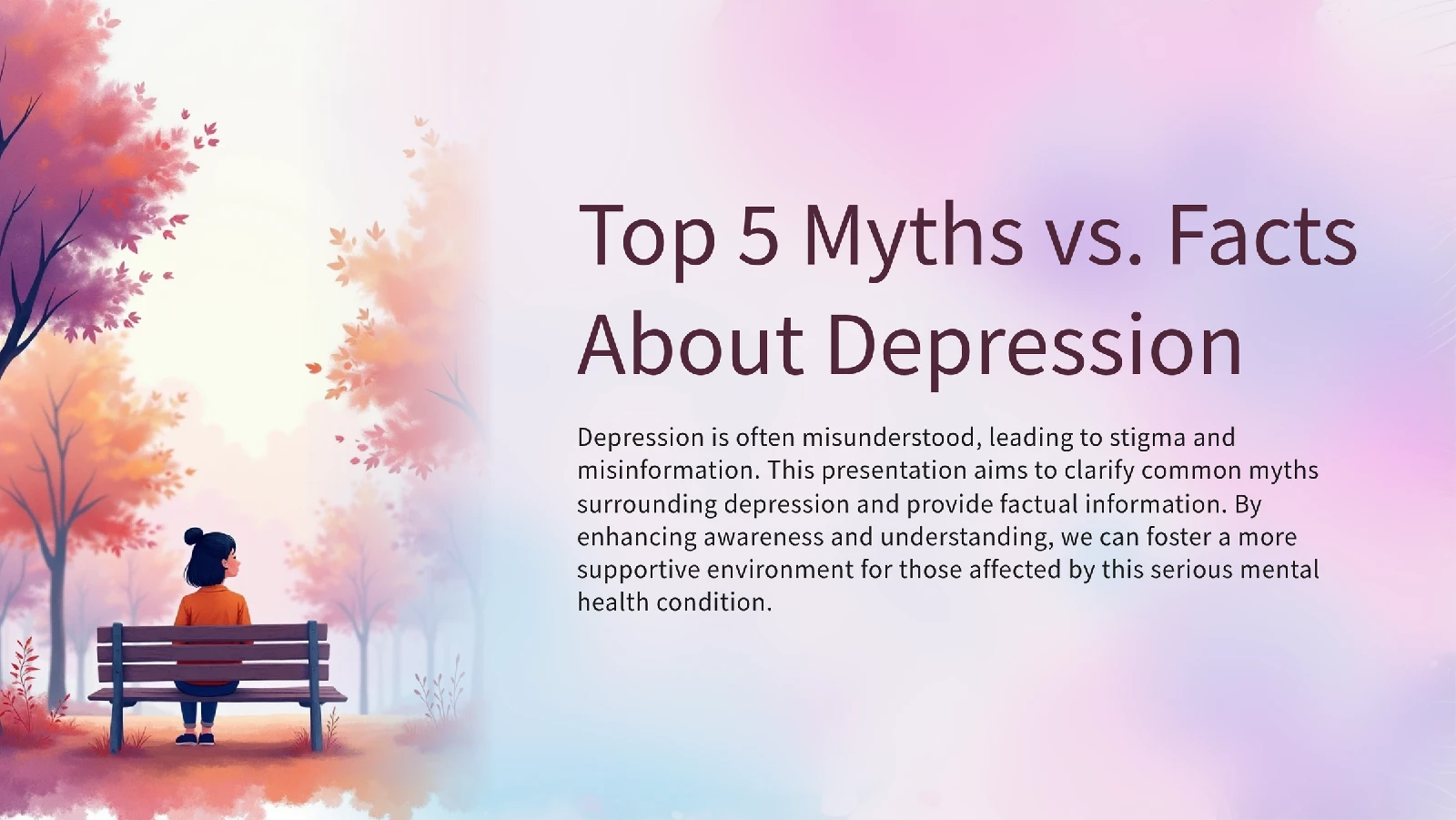
Mental health myths continue to create confusion, fear, and stigma across communities worldwide. Many people delay seeking professional support because they believe inaccurate information about mental illness, therapy, and recovery. Understanding the facts can help individuals make informed decisions, seek support earlier, and create a more compassionate society.
Myth 1: Mental Illness Is Rare
Fact: Mental Health Conditions Are More Common Than Most People Think
One of the most common mental health myths is that mental illness affects only a small number of people. In reality, millions of individuals experience anxiety, depression, stress-related disorders, and other mental health conditions every year. Mental health challenges can affect people of all ages, backgrounds, and lifestyles.
Greater awareness and education can help normalize conversations around mental health and encourage individuals to seek help without fear of judgment.
Myth 2: Mental Health Problems Are a Sign of Weakness
Fact: Mental Illness Is a Medical and Psychological Condition
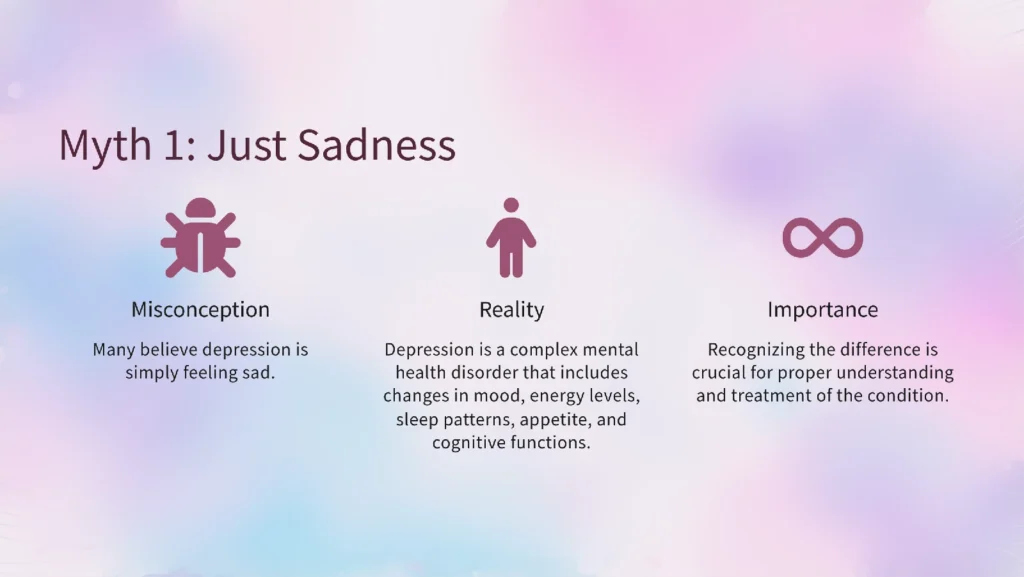
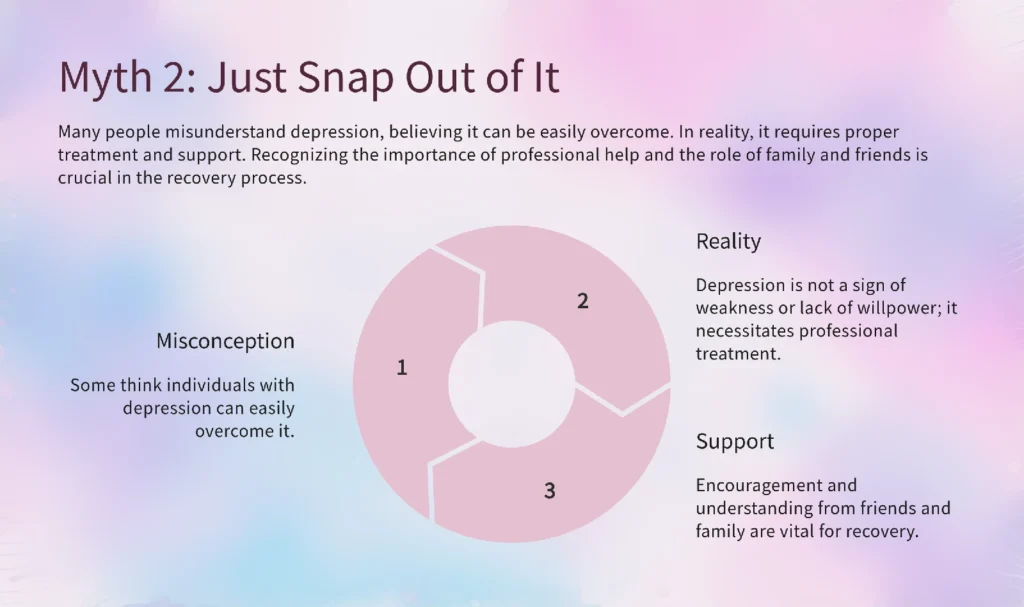
Mental health disorders are not caused by personal weakness or lack of willpower. Factors such as genetics, brain chemistry, trauma, chronic stress, environmental influences, and life experiences can all contribute to mental health conditions.
Seeking therapy, counseling, or professional support is a sign of strength and self-awareness. Prioritizing mental wellness demonstrates courage and commitment to personal growth.
Myth 3: Therapy Is Only for People with Serious Mental Illness
Fact: Therapy Can Benefit Everyone
Many people assume therapy is only necessary during a crisis. However, therapy can support emotional wellbeing, stress management, relationship challenges, workplace burnout, grief, anxiety, and personal development.
Professional counseling provides practical coping strategies and emotional support that can improve overall quality of life, even for individuals who do not have a diagnosed mental health condition.
Myth 4: People with Mental Illness Cannot Recover
Fact: Recovery Is Possible with the Right Support
Modern mental health treatment has advanced significantly. Many individuals successfully manage their symptoms and lead productive, fulfilling lives through therapy, medication when necessary, healthy lifestyle habits, mindfulness, and strong support systems.
Recovery does not always mean symptoms disappear completely. Instead, it often means learning effective ways to manage challenges while maintaining emotional wellbeing and daily functioning.
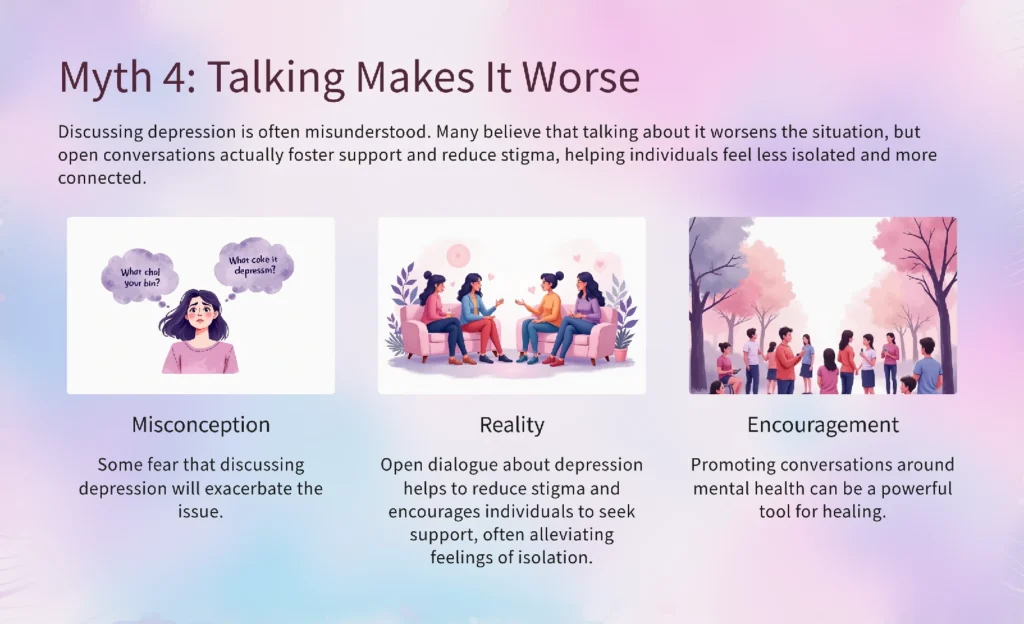
Myth 5: Talking About Mental Health Makes Problems Worse
Fact: Open Conversations Encourage Healing
Silence and stigma often make mental health struggles more difficult. Open and supportive conversations help individuals feel understood and less isolated. Discussing mental health concerns can encourage early intervention, improve emotional resilience, and connect people with valuable resources.
Creating safe spaces for mental health discussions is an important step toward reducing stigma and increasing awareness.
The Importance of Mental Health Awareness in 2026
Mental health awareness continues to grow globally as more people recognize the importance of emotional wellbeing. Social media, workplaces, schools, healthcare providers, and community organizations are helping educate the public about mental health disorders and treatment options.
By challenging myths and sharing accurate information, society can promote understanding, reduce discrimination, and support individuals on their mental wellness journey.
How to Support Someone Facing Mental Health Challenges
Listen Without Judgment
Provide a safe and supportive environment where individuals feel comfortable sharing their experiences.
Encourage Professional Help
Suggest speaking with a licensed therapist, counselor, psychologist, or psychiatrist when appropriate.
Learn About Mental Health
Educating yourself about mental health conditions can help you better understand and support others.
Promote Healthy Habits
Encourage regular exercise, healthy sleep patterns, mindfulness practices, and social connections that support emotional wellbeing.
Trusted Resources for Mental Health Information
Accurate mental health information is essential for reducing stigma, encouraging early intervention, and supporting emotional wellbeing. The following organizations are widely recognized for providing evidence-based mental health education, research, and resources for individuals, families, and healthcare professionals.
• American Psychological Association (APA) – Research and guidance on mental health, therapy, stress management, and emotional wellbeing.
• National Institute of Mental Health (NIMH) – Information on mental health conditions, symptoms, treatments, and current research.
• Centers for Disease Control and Prevention (CDC) – Resources on mental health, coping strategies, emotional wellbeing, and public health guidance.
• World Health Organization (WHO) – Global mental health information, awareness initiatives, research, and policy recommendations.
Consulting trusted organizations can help individuals make informed decisions about their mental health and overall wellbeing.
Frequently Asked Questions (FAQ)
Conclusion
Mental health myths continue to create barriers that prevent people from seeking help and support. By understanding the facts about mental illness, therapy, recovery, and emotional wellbeing, we can build a more informed and compassionate society. Mental health is an essential part of overall health, and everyone deserves access to accurate information, professional support, and opportunities to thrive. Challenging misconceptions and promoting mental health awareness in 2026 can help reduce stigma and empower more people to prioritize their mental wellness.
According to the World Health Organization, mental health conditions affect hundreds of millions of people worldwide, highlighting the importance of mental health awareness, early intervention, and access to professional support.
DISCLAIMER
This article is intended for educational and informational purposes only and does not constitute medical advice, diagnosis, or treatment. Always consult a qualified healthcare professional regarding mental health concerns.
Looking for more mental health resources? Explore additional articles, infographics, and wellbeing guides on MentalHealthNest.com.
About the Author :
Sujit Shetty is the founder of MentalHealthNest.com, a mental health awareness platform dedicated to providing educational resources on emotional wellbeing, anxiety awareness, stress management, burnout recovery, mindfulness, meditation, and self-care.
Through MentalHealthNest.com, he creates evidence-informed content designed to help readers better understand mental health challenges and develop healthier wellbeing habits.
Learn more about Sujit Shetty and MentalHealthNest.com.
© 2026 MentalHealthNest.com | @infosujitshetty