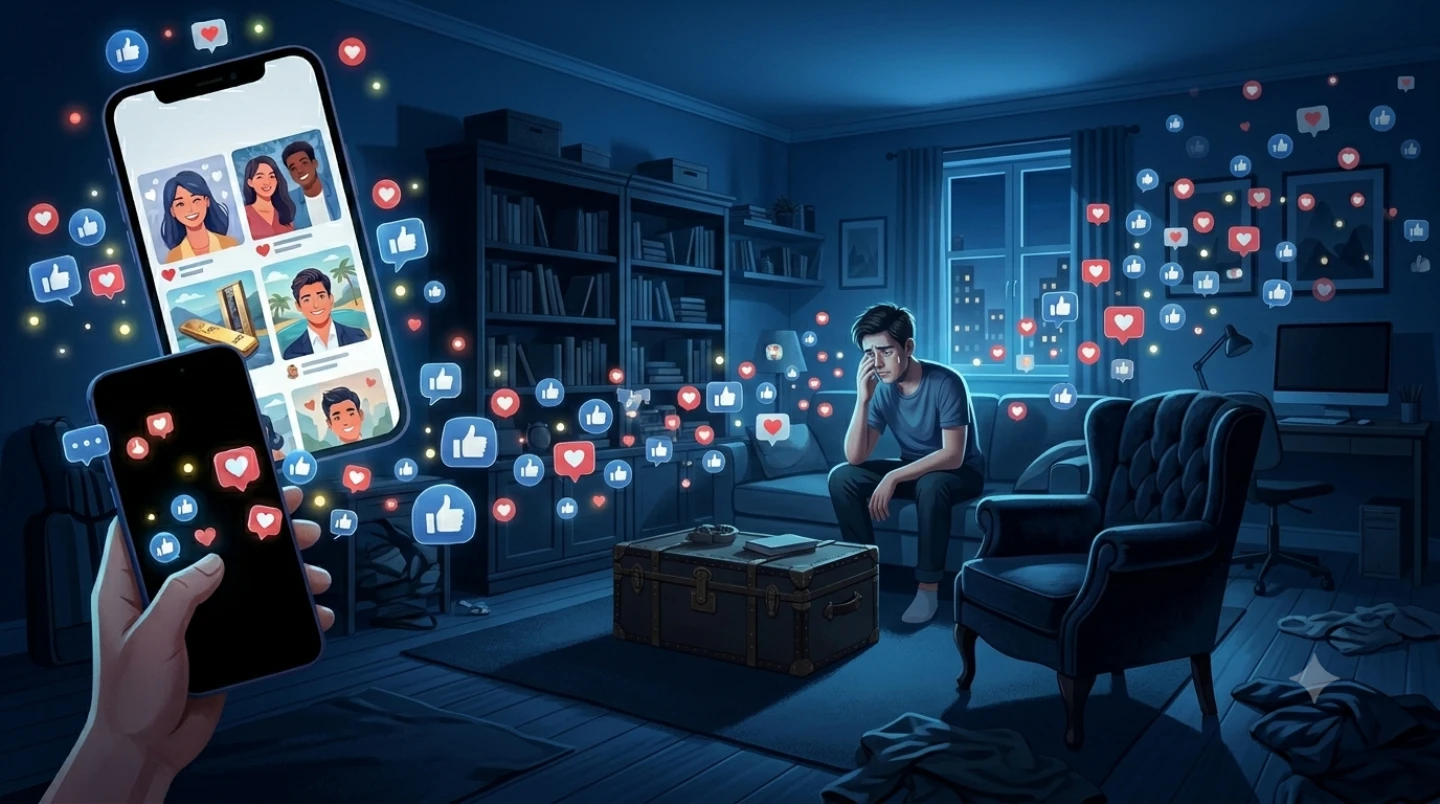


Impact of Social Media on Mental Health: Benefits, Risks, and Healthy Digital Habits
Discover how social media affects mental health, including anxiety, depression, self-esteem, sleep, and emotional wellbeing. Learn healthy digital habits for a balanced online life.
Impact of Social Media on Mental Health: Understanding the Benefits and Risks
INTRODUCTION
Social media has transformed the way people communicate, learn, work, and build relationships.
Platforms such as Instagram, Facebook, TikTok, X, LinkedIn, and YouTube help people stay connected with friends, family, communities, and global events.
While social media offers many advantages, research suggests that excessive or unhealthy use may affect mental health and emotional wellbeing.
Understanding the impact of social media on mental health can help individuals develop healthier digital habits while still benefiting from online connections and information.
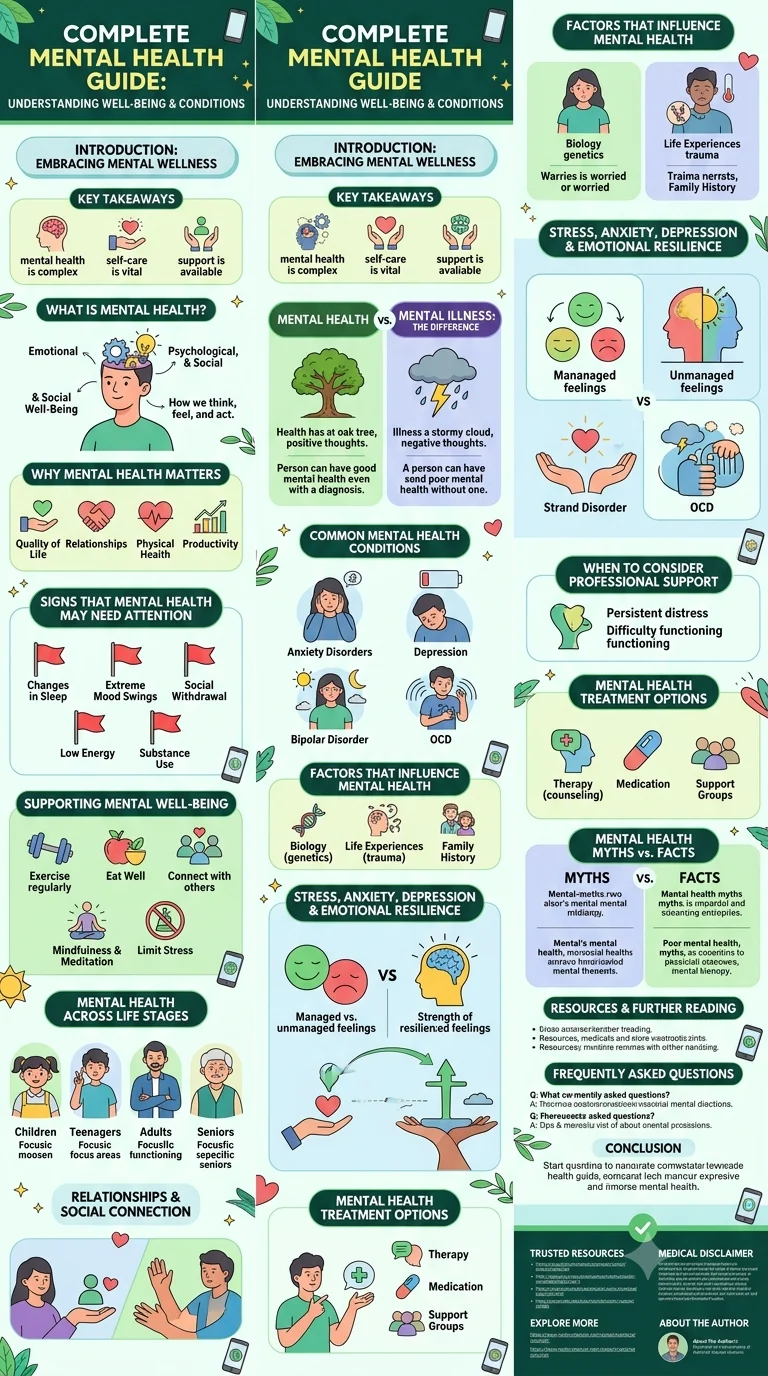
For a broader understanding of emotional wellbeing, self-care strategies, and mental wellness, explore our comprehensive Mental Health Guide with infographics.
The Positive Impact of Social Media on Mental Health
Social media is not entirely harmful. When used mindfully, it can provide several mental health benefits.
Increased Social Connection
Social media helps people stay connected with loved ones regardless of geographical distance. Strong social connections can reduce feelings of loneliness and isolation.
Access to Mental Health Resources
Many organizations, therapists, psychologists, and mental health advocates share educational content, coping strategies, and support resources online.
Support Communities
Online support groups allow individuals experiencing anxiety, depression, grief, trauma, or chronic illness to connect with others facing similar challenges.
Negative Effects of Social Media on Mental Health
While social media provides benefits, excessive use may contribute to emotional and psychological difficulties.
Anxiety and Stress
Constant notifications, information overload, and pressure to stay connected may increase anxiety and stress levels.
Depression and Low Mood
Research suggests that excessive social media use may be associated with depressive symptoms, especially when users engage in unhealthy social comparison.
Fear of Missing Out (FOMO)
Many users experience anxiety when comparing their lives to carefully curated online content from others.
Cyberbullying
Online harassment and negative interactions can significantly impact self-esteem, confidence, and emotional wellbeing.
Social Media and Self-Esteem
Social media often encourages comparison with unrealistic portrayals of beauty, success, wealth, and lifestyle.
Comparison Culture
Comparing personal achievements with idealized online content may lead to feelings of inadequacy and reduced self-worth.
Validation Through Likes and Followers
Seeking approval through likes, comments, and followers can create dependency on external validation.
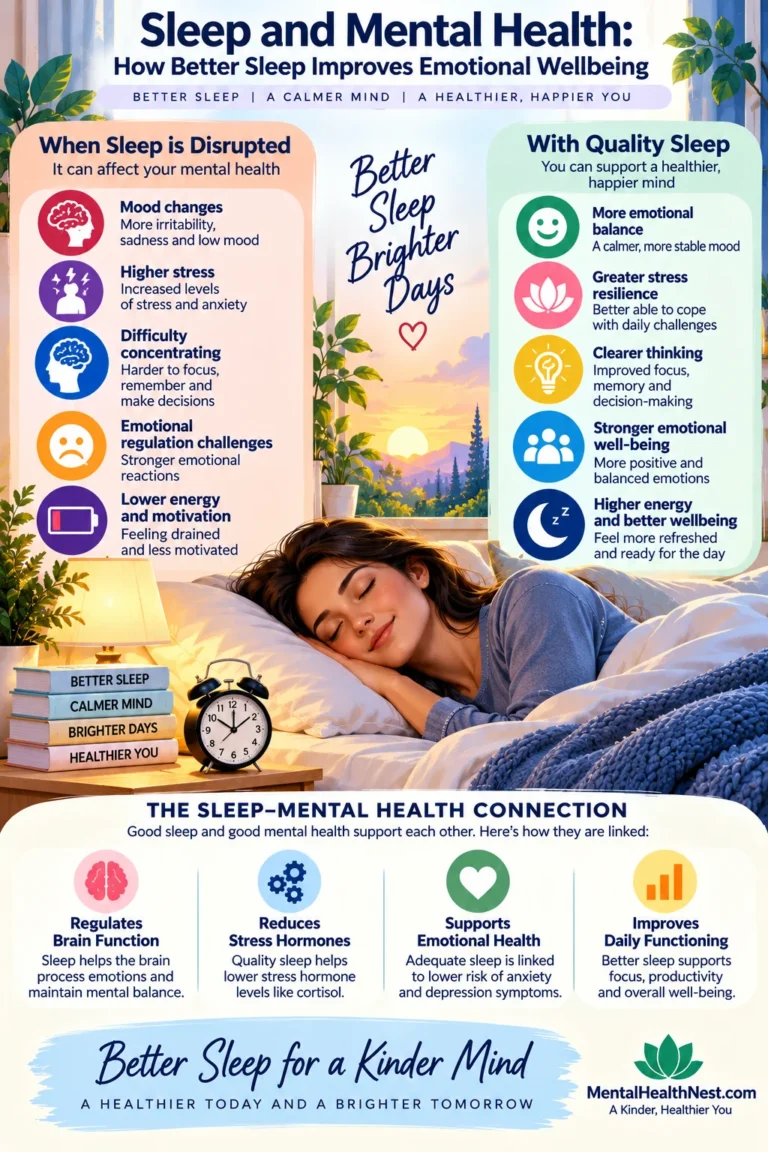
Impact of Social Media on Sleep
Sleep is essential for maintaining mental health.
Screen Time Before Bed
Late-night scrolling can interfere with sleep quality and disrupt natural sleep cycles.
Sleep Deprivation and Mental Health
Poor sleep may increase anxiety, irritability, stress, and symptoms of depression.
Social Media Addiction and Mental Health
Excessive social media use may become difficult to control.
Signs of Unhealthy Social Media Use
• Constant checking of notifications
• Difficulty disconnecting
• Reduced productivity
• Increased anxiety when offline
• Sleep disruption
• Neglecting real-world relationships
Healthy Social Media Habits for Better Mental Health
Developing healthy digital habits can help protect emotional wellbeing.
Set Screen Time Limits
Monitor and reduce unnecessary social media use.
Curate Your Feed
Follow accounts that educate, inspire, and support mental wellness.
Take Digital Breaks
Regular breaks from social media can reduce stress and improve focus.
Prioritize Real-Life Connections
Face-to-face interactions remain important for emotional health and relationship building.
When Social Media Affects Your Mental Health
If social media use contributes to persistent anxiety, depression, emotional distress, or reduced daily functioning, consider speaking with a mental health professional.
CONCLUSION
Social media is a powerful tool that can both support and challenge mental health. While it offers connection, education, and community, excessive or unhealthy use may contribute to anxiety, depression, sleep problems, and low self-esteem. By practicing mindful social media habits and prioritizing digital wellbeing, individuals can enjoy the benefits of social platforms while protecting their mental health and emotional wellbeing.
Trusted Resources for Mental Health Information
For readers seeking additional information about mental health and digital wellbeing, the following organizations provide evidence-based resources and research:
• American Psychological Association (APA) – Research and guidance on mental health, social media use, stress, and emotional wellbeing.
• National Institute of Mental Health (NIMH) – Information on anxiety, depression, mental health conditions, and treatment options.
• Centers for Disease Control and Prevention (CDC) – Resources on mental health, coping strategies, emotional wellbeing, and public health information.
Consulting trusted organizations can help individuals make informed decisions about their mental health and online habits.
Frequently Asked Questions (FAQ)
DISCLAIMER :
━━━━━━━━━━━━━━━━━━━━━━
This article is intended for educational and informational purposes only and does not constitute medical advice, diagnosis, or treatment. Always seek the guidance of a qualified healthcare provider or licensed mental health professional regarding any mental health concerns.
_________________________________
Explore More Mental Health Resources
Looking for more mental health resources? Explore our Mental Health Guide with infographics, and Therapist Near Me directory on MentalHealthNest.com.
________________________________
About the Author :
Sujit shetty is the founder of MentalHealthNest.com, a mental health awareness platform dedicated to providing educational resources on emotional wellbeing, anxiety awareness, stress management, burnout recovery, mindfulness, meditation, and self-care.
Through MentalHealthNest.com, he creates evidence-informed content designed to help readers better understand mental health challenges and develop healthier wellbeing habits.
Learn more about Sujit Shetty and MentalHealthNest.com.
© 2026 MentalHealthNest.com | @infosujitshetty