Discover the connection between sleep and mental health. Learn how sleep affects anxiety, depression, stress, mood, and overall wellbeing.
Sleep and Mental Health: The Essential Connection for Emotional Wellbeing
Introduction
Understanding how sleep affects mental health is essential for maintaining emotional wellbeing and overall quality of life. The relationship between sleep and mental wellbeing is stronger than many people realize. Quality sleep supports brain health, emotional regulation, stress management, cognitive function, and daily productivity. In contrast, poor sleep quality and ongoing sleep problems can contribute to anxiety, depression, mood disturbances, and reduced mental resilience. Research continues to highlight the mental health benefits of quality sleep, showing that healthy sleep habits for adults can improve focus, emotional health, and psychological wellbeing. Whether you are looking for the best sleep tips for anxiety and stress or ways to improve sleep quality naturally, prioritizing sleep health can have a significant impact on both short-term and long-term mental wellness.
Sleep deprivation and mental health effects can be far-reaching. Individuals who consistently experience inadequate sleep may find it more difficult to regulate emotions, manage stress, and maintain healthy relationships. Chronic sleep deprivation has been linked to increased anxiety symptoms, depressive moods, reduced concentration, and impaired decision-making abilities. This demonstrates why sleep is important for emotional wellbeing and highlights the importance of creating a healthy sleep routine.
According to the U.S. Centers for Disease Control and Prevention (CDC)adults generally need at least seven hours of sleep each night, although sleep needs vary by age to support physical health, cognitive function, and emotional wellbeing. Consistently getting less sleep may increase the risk of mental and physical health problems.
Many people ask, “Can poor sleep cause depression?” While sleep problems alone may not always cause depression, poor sleep can worsen existing symptoms and increase vulnerability to emotional difficulties. Likewise, individuals experiencing anxiety often report insomnia symptoms, racing thoughts, and difficulty maintaining restful sleep. Addressing sleep disorders early may help improve both sleep quality and mental wellbeing.
Mental wellness experts often recommend improving sleep hygiene as one of the most effective ways to support emotional health. Establishing healthy bedtime habits, maintaining a consistent sleep schedule, reducing exposure to screens before bedtime, and creating a comfortable sleep environment can all contribute to better sleep outcomes. These simple yet effective strategies can help individuals achieve restful sleep and improve overall psychological wellbeing.
For a broader understanding of emotional wellbeing and self-care strategies, explore our comprehensive Mental Health Guide.
KEY TAKEAWAYS
Better sleep supports mental health by helping with emotional regulation, concentration, stress management, and overall psychological wellbeing. Maintaining healthy sleep habits can support mood and resilience, while persistent sleep problems may make it more difficult to manage stress and emotions. Sleep is an important part of a broader approach to mental wellness.
The connection between sleep and mental health is clear. Quality sleep supports emotional regulation, brain function, stress management, and overall wellbeing. By prioritizing healthy sleep habits, individuals can improve mood, strengthen resilience, reduce anxiety, and support long-term mental wellness.


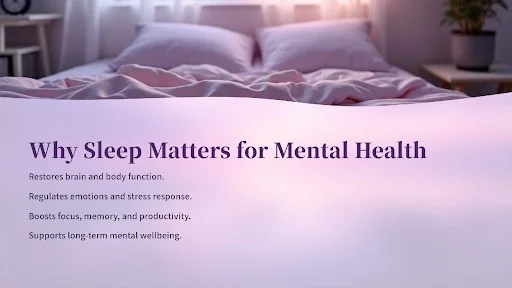
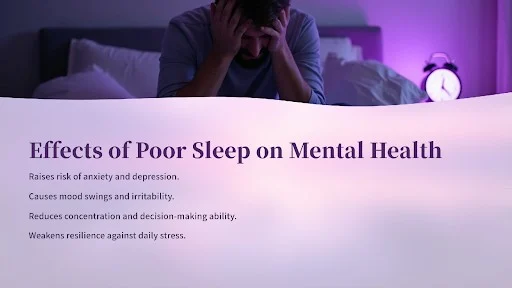
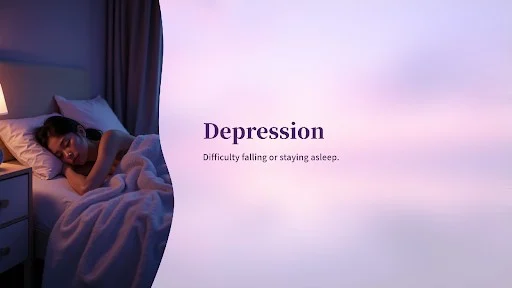

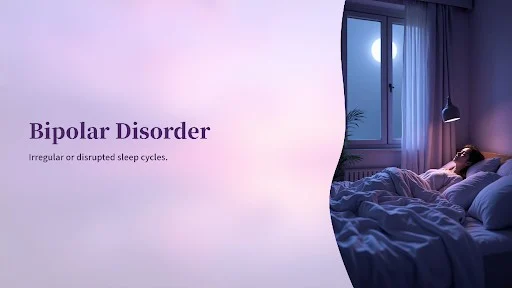


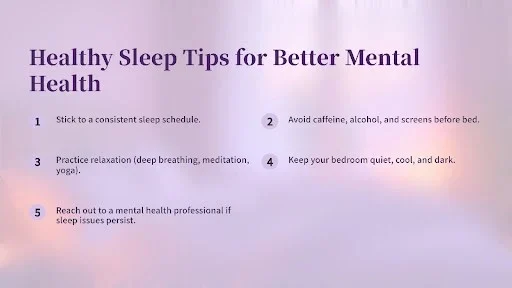

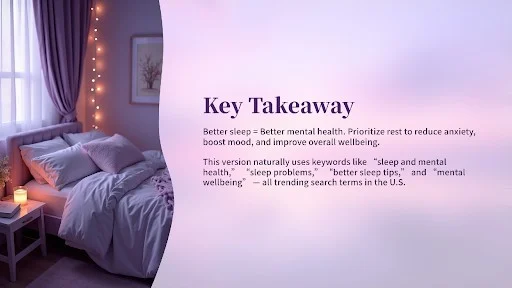

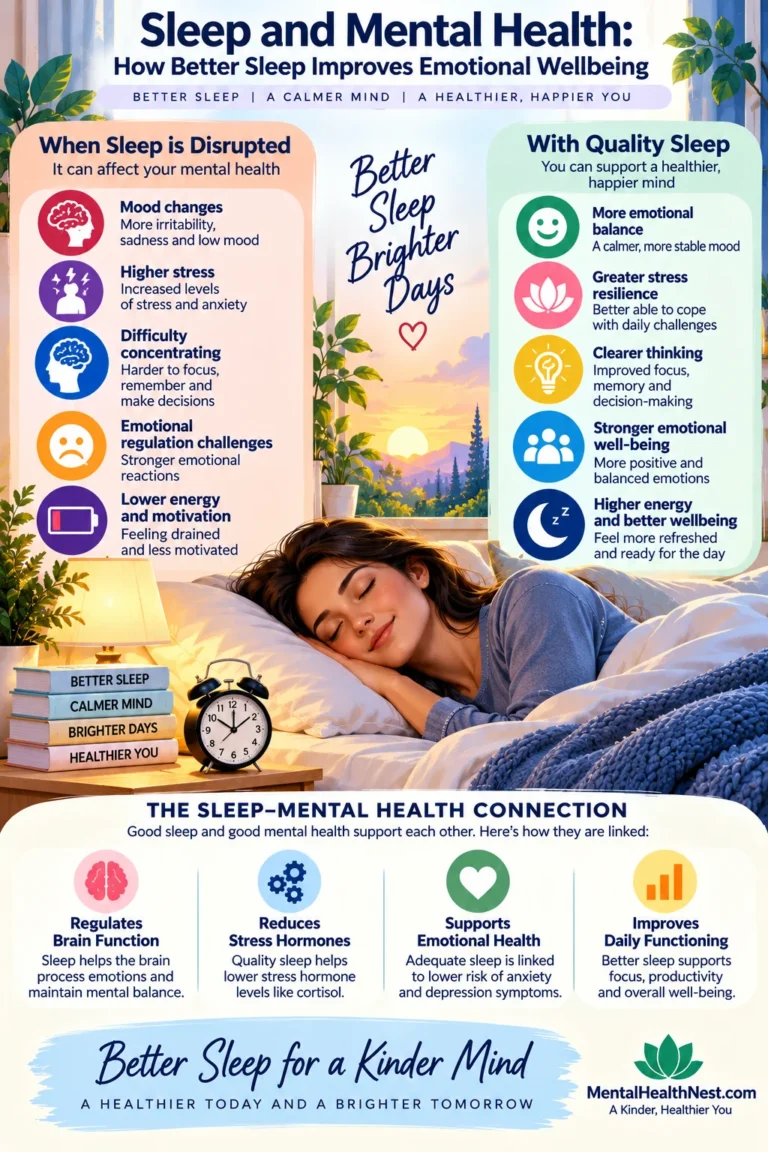
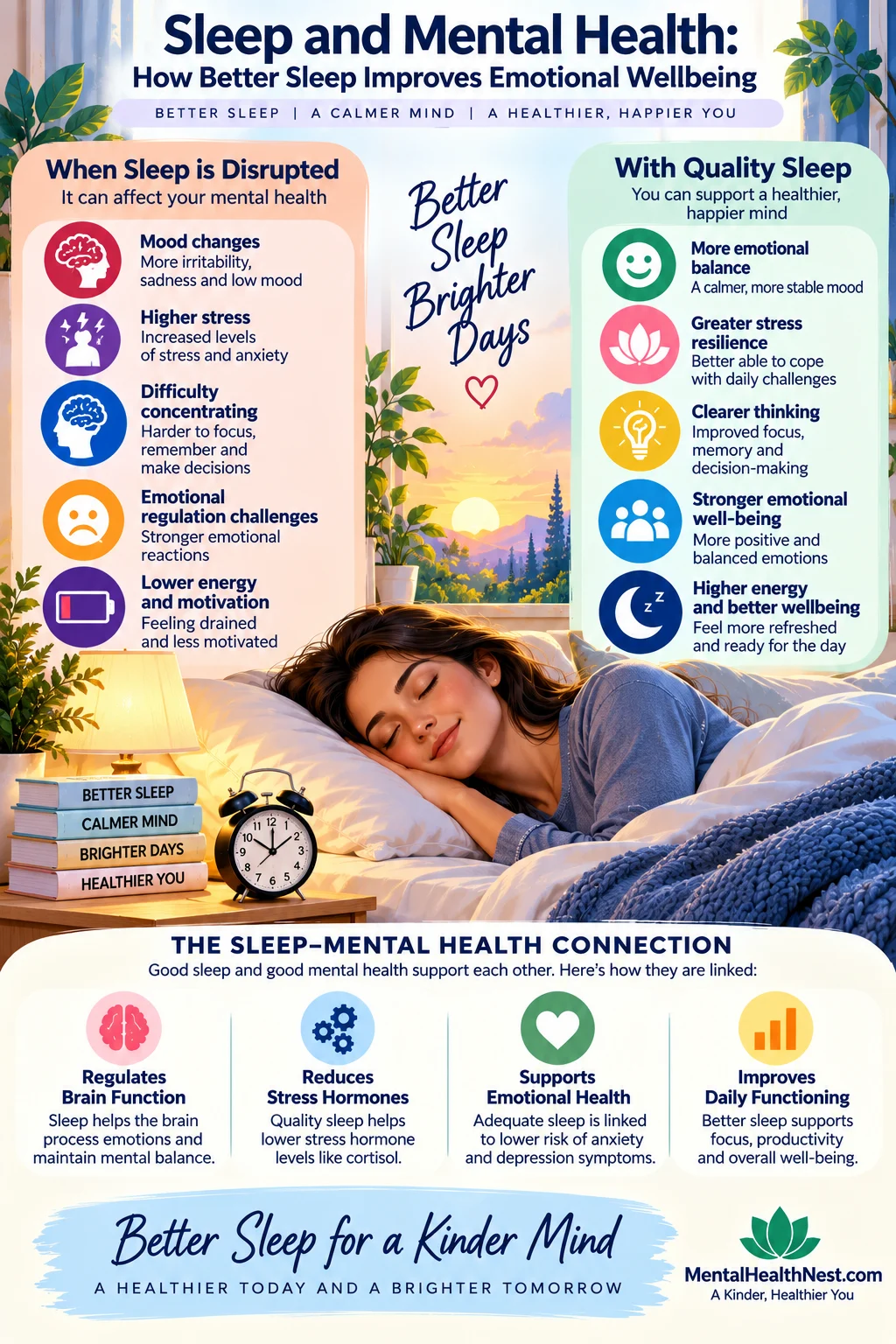
Sleep and mental health infographic featuring healthy sleep habits, anxiety, depression, stress management, emotional wellbeing, brain health, and practical tips for better sleep and mental wellness.
1. Why Sleep Matters for Mental Health
Sleep is essential for mental health because it supports brain function, emotional regulation, memory, concentration, and stress management. Getting sufficient, consistent sleep can help people manage daily challenges and maintain emotional wellbeing, while ongoing sleep problems may make it harder to regulate emotions, concentrate, and cope with stress.
Sleep supports healthy brain function and emotional balance. During sleep, the brain processes memories, restores cognitive function, and regulates important hormones involved in stress and mood. People who get sufficient sleep often experience better concentration, improved emotional regulation, stronger memory, and greater productivity.
Sleep experts recommend maintaining a regular sleep schedule because quality sleep supports memory consolidation, emotional regulation, learning, and decision-making, all of which contribute to better mental wellbeing and daily functioning.
Adequate sleep also helps the body recover from daily stress. When individuals maintain healthy sleep habits, they are generally better equipped to cope with challenges, manage emotions, and maintain positive mental health over time.
2. How Sleep Restores Brain Function
Sleep supports healthy brain function by helping the brain process information, consolidate memories, regulate attention, and maintain cognitive performance. Adequate, restful sleep supports learning, concentration, problem-solving, and decision-making, while insufficient or disrupted sleep can make it harder to focus, remember information, and perform everyday mental tasks.
Sleep plays a critical role in maintaining healthy brain function. During sleep, the brain processes information collected throughout the day and strengthens memories. Quality sleep supports cognitive function, learning, problem-solving, and decision-making abilities. People who consistently get restful sleep often experience better concentration, improved memory retention, and enhanced daily productivity. Sleep also supports long-term brain health by allowing important neurological processes to occur. When sleep is disrupted, cognitive performance may decline, making it harder to focus, learn new information, and perform everyday tasks effectively.
3.The Role of Sleep in Emotional Regulation
Sleep plays an important role in emotional regulation by helping the brain process emotions and respond to stress. Adequate, consistent sleep can support emotional balance, resilience, and the ability to manage everyday frustration and anxiety, while poor or disrupted sleep may increase irritability, emotional reactivity, and sensitivity to stressful situations.
One of the most important mental health benefits of quality sleep is emotional regulation. Sleep helps the brain process emotions and respond appropriately to stressful situations. Individuals who get adequate sleep are generally better able to manage frustration, anxiety, and emotional pressure. In contrast, poor sleep quality can make people more emotionally reactive, increasing irritability, mood swings, and sensitivity to stress. Healthy sleep habits help maintain emotional balance, improve psychological wellbeing, and strengthen mental resilience during challenging periods of life.
4. Effects of Poor Sleep on Mental Health
Poor sleep can affect mental health by making it harder to regulate emotions, manage stress, concentrate, and maintain daily functioning. Persistent or disrupted sleep is associated with increased anxiety and depressive symptoms, irritability, and reduced emotional resilience, although sleep problems and mental health conditions can influence one another in complex ways.
Poor sleep can negatively affect both emotional and psychological wellbeing. Sleep deprivation may increase stress levels, reduce concentration, and make it more difficult to regulate emotions effectively.
Research suggests that chronic sleep deprivation is associated with a higher risk of anxiety symptoms, depression, emotional instability, and reduced stress resilience. This highlights the importance of prioritizing healthy sleep habits as part of overall mental wellness.
Common effects of poor sleep include:
• Increased anxiety and nervousness
• Greater risk of depression symptoms
• Mood swings and irritability
• Reduced focus and productivity
• Lower motivation and energy levels
• Difficulty managing everyday stress
Over time, chronic sleep problems may contribute to worsening mental health and reduced quality of life.
5. Mood Swings, Irritability, and Emotional Instability
Poor sleep can affect mood and emotional stability by increasing irritability, impatience, and sensitivity to everyday stress. When sleep is consistently inadequate or disrupted, people may find it harder to regulate emotions and cope with daily challenges. Improving sleep habits can support emotional wellbeing and healthier responses to stress.
Poor sleep can significantly affect mood and emotional stability. Individuals who do not get enough sleep may become more irritable, impatient, and emotionally sensitive. Even minor daily challenges can feel more overwhelming when the brain has not had sufficient time to recover. Sleep deprivation may also increase emotional instability, making it more difficult to manage stress and maintain positive relationships. Over time, ongoing sleep problems can contribute to reduced emotional wellbeing and a lower overall quality of life.
6. Reduced Focus, Memory, and Productivity
Adequate sleep supports concentration, memory, learning, and everyday cognitive performance. When sleep is insufficient or disrupted, people may have greater difficulty focusing, remembering information, making decisions, and completing tasks. Consistently prioritizing healthy sleep can support mental performance, productivity, and the ability to manage daily responsibilities effectively.
Sleep is essential for concentration, memory formation, and workplace performance. When individuals experience inadequate sleep, they may struggle with focus, forget important information, and have difficulty completing routine tasks. Reduced cognitive function can negatively affect academic performance, job productivity, and daily decision-making. Sleep deprivation and mental health effects often go hand in hand, as poor concentration and reduced productivity can increase stress levels and contribute to emotional distress. Prioritizing healthy sleep habits can help improve focus, memory, and overall mental performance.
7. Mental Health Conditions Linked to Sleep Problems
Sleep problems are commonly associated with several mental health conditions, including depression, anxiety disorders, bipolar disorder, and post-traumatic stress disorder (PTSD). Sleep difficulties can occur as part of these conditions, while disrupted sleep may also affect emotional regulation and daily functioning. The relationship between sleep and mental health can work in both directions.
Many individuals experiencing depression report difficulty falling asleep, staying asleep, or sleeping excessively. Sleep disturbances are among the most common symptoms associated with depressive disorders.
Anxiety frequently interferes with sleep. Racing thoughts, excessive worry, and heightened stress levels may make it difficult to relax and fall asleep, creating a cycle that worsens both anxiety and sleep quality.
Sleep disruptions often occur during periods of mood instability. Changes in sleep patterns can sometimes contribute to manic or depressive episodes.
People living with post-traumatic stress disorder may experience nightmares, restless sleep, and frequent night time awakenings, making restorative sleep difficult to achieve.
8. Healthy Sleep Tips for Better Mental Health
Healthy sleep habits can support better sleep quality and mental wellbeing. Maintaining a consistent sleep schedule, limiting stimulating activities before bedtime, avoiding caffeine and alcohol close to bedtime, practicing relaxation techniques, and creating a comfortable sleep environment can help promote more restful sleep and support emotional health.
Maintain a Consistent Sleep Schedule
Going to bed and waking up at the same time each day helps regulate the body’s internal clock and promotes healthier sleep patterns.
Limit Screen Time Before Bed
Reducing exposure to phones, tablets, and computers before bedtime may help improve sleep quality and support a relaxing bedtime routine.
Avoid Caffeine and Alcohol at Night
Caffeine and alcohol can interfere with healthy sleep cycles and reduce overall sleep quality.
Practice Relaxation Techniques
Deep breathing, meditation, mindfulness exercises, and gentle yoga can help calm the mind and prepare the body for restful sleep.
Create a Sleep-Friendly Environment
A quiet, cool, dark, and comfortable bedroom can improve sleep hygiene and promote better rest.
9. When to Seek Professional Help for Sleep Problems
Professional help may be appropriate when sleep problems persist, interfere with daily activities, or occur alongside significant anxiety, depression, or emotional distress. A healthcare provider or qualified mental health professional can help identify possible causes, evaluate ongoing sleep difficulties, and determine whether further assessment or treatment may be appropriate.
If sleep difficulties continue for several weeks, interfere with daily functioning, or contribute to anxiety, depression, or emotional distress, speaking with a healthcare provider or mental health professional may be beneficial. Early support can help identify underlying causes and improve both sleep quality and mental wellbeing.
If you are looking for professional support, visit our Therapist Near me directory to connect with therapists, psychologists, and psychiatrists who can help address sleep and mental health.
10. Frequently Asked Questions
Evidence-Based References
For additional information on sleep health and mental wellbeing, readers may refer to the following authoritative resources:
- U.S. Centers for Disease Control and Prevention (CDC) – Sleep and Sleep Disorders
- National Institute of Mental Health (NIMH) – Mental Health Information
- American Academy of Sleep Medicine (AASM) – Sleep Education Resources
- Sleep Foundation – Evidence-based Sleep Health Information
- NHLBI — Sleep Deprivation and Deficiency: How Sleep Affects Your Health
CONCLUSION
Sleep and mental health are closely connected. Quality sleep supports emotional regulation, concentration, memory, stress management, and everyday psychological wellbeing. At the same time, persistent sleep problems can occur alongside anxiety, depression, PTSD, and other mental health conditions, making the relationship between sleep and mental wellbeing complex and often bidirectional.
Developing consistent sleep habits—such as maintaining a regular sleep schedule, creating a comfortable sleep environment, limiting stimulating activities before bedtime, and allowing enough time for sleep—can support healthier sleep and overall wellbeing.
If sleep difficulties persist, significantly interfere with daily life, or occur alongside ongoing emotional distress, consider speaking with a qualified healthcare or mental health professional. Addressing sleep concerns can be an important part of taking care of both physical and mental health.
Better sleep is not a substitute for professional mental health care when it is needed, but it is an important part of a broader approach to emotional wellbeing and healthy living.
MEDICAL DISCLAIMER
This article is intended for educational and informational purposes only and should not be considered medical advice, diagnosis, or treatment. If you are experiencing persistent sleep problems or mental health concerns, consult a qualified healthcare professional.
EXPLORE MORE ON MENTALHEALTHNEST.COM
Continue your mental wellbeing journey with our evidence-informed resources:
• The Ultimate Mental Health Guide
• Emotional Resilience: The Complete Science-Backed Guide
The Ultimate Mental Health Guide: 10 Science-Backed Steps to Improve Mental Wellbeing
Cognitive Distortions: Types, Examples, Causes & How to Change Them
Self-Compassion: The Complete Science-Backed Guide to Better Mental Health
• Psychological Safety: The Complete Guide
• Mental Health Infographics Hub
• Find a Psychologist Near Me
• Find a Psychiatrist Near Me
• Mental Health Directory
• Psychologist Registration
• Psychiatrist Registration
https://www.sherisesstudios.com/post/balancedambition-thriving-without-burnout
Every article is designed to help you make informed decisions, strengthen your mental wellbeing, and connect with trusted professional support when needed.
Continue Your Mental Health Journey
Your mental wellbeing can change over time, and learning about it is an ongoing process. Continue exploring MentalHealthNest for evidence-informed guides on sleep, anxiety, emotional resilience, self-compassion, stress, and other areas of mental health.
Coming back to MentalHealthNest regularly can help you build your understanding step by step. Explore related resources, save articles that are useful to you, and return when you need practical, trustworthy mental health information.
ABOUT THE AUTHOR
Sujit Shetty is the Founder and Editor of MentalHealthNest.com, an evidence-informed mental health education platform dedicated to helping individuals, families, caregivers, and mental health professionals access reliable, compassionate, and practical information.
His mission is to make trustworthy mental health education easy to understand while supporting early awareness, reducing stigma, encouraging professional care when appropriate, and promoting emotional wellbeing through high-quality, reader-first content.
Every article published on MentalHealthNest.com follows a commitment to:
• Evidence-informed information
• Compassionate, reader-first writing
• Scientifically accurate content
• Practical mental wellness strategies
• Strong editorial integrity
• Respect for therapists, psychologists, psychiatrists, and other healthcare professionals
• Continuous content review and updates to reflect evolving scientific knowledge
MentalHealthNest.com aims to become one of the web’s most trusted educational resources for mental health while connecting readers with qualified mental health professionals through its growing therapist directory.